



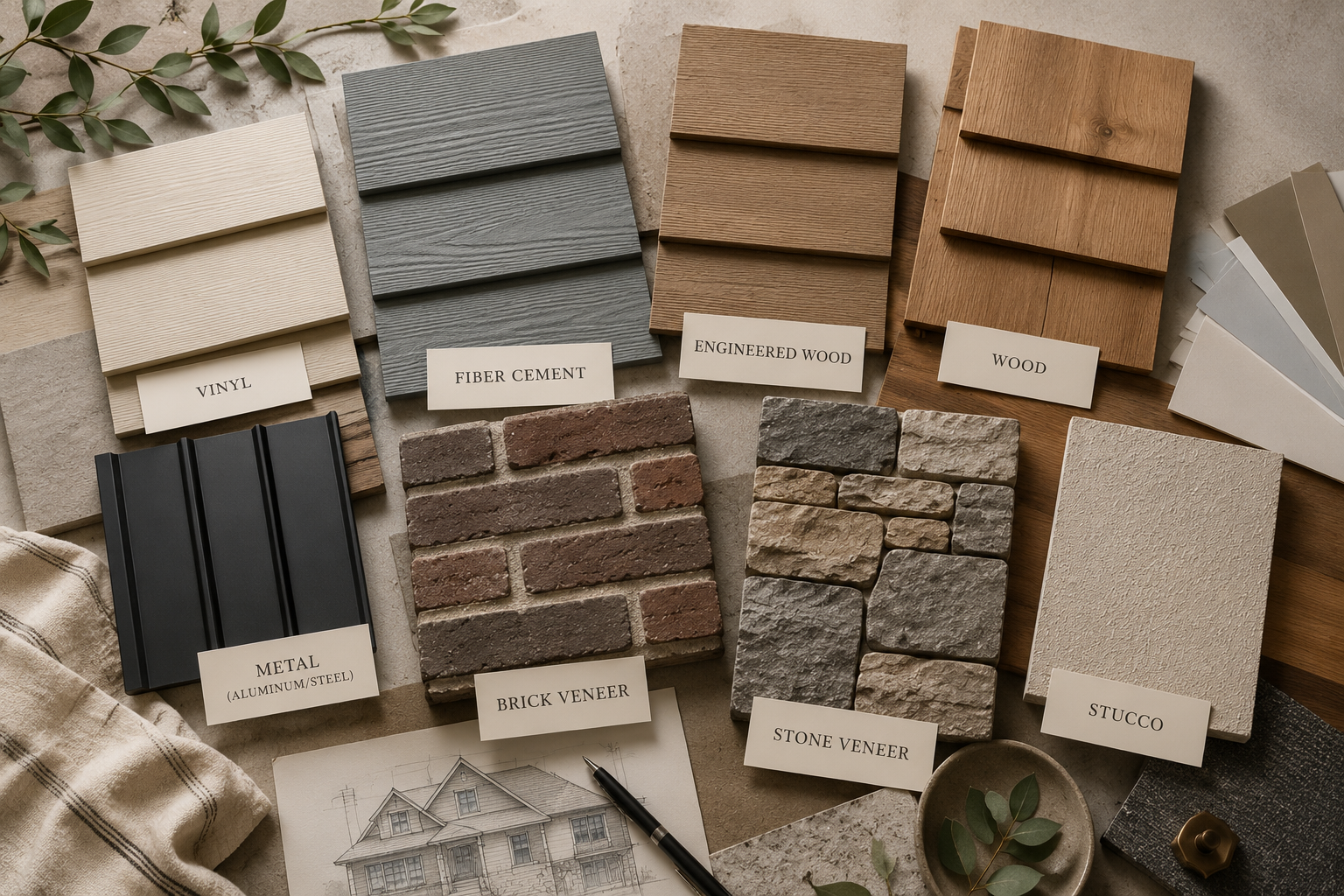
How to Choose Siding for Your Custom Home
Choosing the Right Siding for Your Custom Home: Types, Pros, Cons & CostsSiding is one of the most important decisions in a custom home build or major exterior renovation. It protects your home from the elements, boosts curb appeal, influences energy efficiency, and can significantly affect long-term maintenance and resale value. With so many materials available, the “best” choice depends on your budget, climate, desired look, and how much upkeep you’re willing to handle. Below is a practical breakdown of the most popular siding options, including realistic 2025–2026 cost ranges (installed, materials + labor, national averages), pros, cons, and lifespan estimates. Costs vary by region, home complexity, quality grade, and local labor rates—always get multiple local quotes.
Quick Cost & Lifespan Comparison
| Siding Type | Installed Cost per Sq Ft | Typical Lifespan | Maintenance Level |
| Vinyl | $3–$12 | 20–40 years | Very Low |
| Fiber Cement | $5–$15 | 30–50+ years | Low |
| Engineered Wood | $3–$12 | 20–35 years | Low–Moderate |
| Wood | $6–$20 | 20–40 years | High |
| Metal (Aluminum/Steel) | $4–$15 | 40–70+ years | Low |
| Brick Veneer | $10–$20+ | 50–100+ years | Very Low |
| Stone Veneer | $10–$25 | 50–100+ years | Very Low |
| Stucco | $7–$12 | 50+ years | Moderate |
Note: A typical 2,000–2,500 sq ft home exterior might total $10,000–$40,000+ depending on the material chosen.
1. Vinyl Siding
The most popular and budget-friendly option in North America.
Pros
- Affordable and widely available in many colors, textures, and profiles (including insulated versions for better energy performance).
- Low maintenance—rarely needs painting.
- Lightweight and relatively quick to install.
- Good impact resistance in many grades; performs reasonably in cold climates when properly installed.
Cons
- Can crack or become brittle in extreme cold if struck.
- May fade, warp, or look less premium over time.
- Limited ability to change color later without replacement.
- Lower fire resistance than cement or masonry options.
Best for: Budget-conscious builds or homes where low upkeep is a priority. Insulated vinyl is especially useful in colder regions.
2. Fiber Cement Siding (e.g., James Hardie)
A top performer for durability and realism.
Pros
- Excellent resistance to fire, pests, rot, and moisture.
- Mimics wood, shingles, or other looks convincingly.
- Holds up very well to freeze-thaw cycles, hail, and temperature extremes.
- Long lifespan with factory-applied finishes that reduce painting needs.
Cons
- Heavier than vinyl, so installation costs more.
- Higher upfront price.
- Requires careful handling during install (can crack if dropped).
Best for: Harsh climates and homeowners wanting a wood-like appearance without the maintenance. Frequently recommended for Minnesota and similar cold-weather regions.
3. Engineered / Composite Wood Siding
A middle-ground option that offers wood aesthetics with improved performance.
Pros
- Attractive wood grain look with better resistance to insects and moisture than natural wood.
- More consistent quality and often lower maintenance.
- Competitive pricing.
Cons
- Still requires some upkeep compared with vinyl or fiber cement.
- Can be sensitive to improper installation or moisture intrusion.
- Lifespan is generally shorter than fiber cement or metal.
Best for: Those who love the look of wood but want reduced maintenance.
4. Natural Wood Siding
Classic charm that many custom homes still pursue.
Pros
- Timeless, natural beauty and excellent curb appeal.
- Can be stained or painted in custom colors.
- Renewable material (when sourced responsibly).
Cons
- Highest maintenance—regular painting, staining, or sealing required.
- Vulnerable to rot, insects, warping, and moisture damage.
- Cost can climb quickly with premium species (cedar, redwood).
Best for: Traditional or rustic designs where owners are prepared for ongoing care. Less ideal in very wet or extreme freeze-thaw climates without diligent maintenance.
5. Metal Siding (Aluminum or Steel)
Growing in popularity for modern and industrial styles.
Pros
- Extremely durable and long-lasting.
- Fire, pest, and rot resistant with low maintenance.
- Handles extreme weather well (especially steel).
- Modern, clean aesthetic; available in many colors and profiles.
Cons
- Can dent from hail or impact.
- May be noisier during rain or hail.
- Expands and contracts with temperature changes (proper installation is critical).
- Some people find the look too industrial for traditional homes.
Best for: Contemporary custom homes or regions with severe weather. Steel is particularly strong for cold climates.
6. Brick & Stone Veneer
Premium, permanent-feeling options.
Pros
- Exceptional longevity and very low maintenance.
- Superior fire resistance and classic or high-end appearance.
- Excellent weather protection.
Cons
- Highest cost.
- Heavy—may require structural considerations.
- Limited flexibility for future color or style changes.
- Installation is more labor-intensive.
Best for: Traditional, luxury, or forever homes where budget allows and owners want a “set it and forget it” exterior.
7. Stucco
A seamless, textured finish popular in certain regions.
Pros
- Clean, continuous look; good fire resistance.
- Relatively durable when properly installed.
Cons
- Can crack in freeze-thaw climates if not detailed correctly.
- Repairs can be noticeable.
- Moderate maintenance needs over time.
Best for: Drier or milder climates; less ideal as a primary cladding in places with harsh winters unless a modern drainable system is used.
Climate Considerations (Especially Minnesota & Similar Regions)
Minnesota’s extreme temperature swings, freeze-thaw cycles, snow, ice, and moisture put real stress on exteriors. Fiber cement and quality steel/metal siding consistently rank among the strongest performers because they expand and contract less or handle moisture better. Insulated vinyl is a solid budget-friendly choice, while natural wood and traditional stucco require extra care or detailing to avoid problems.
Final Tips for Choosing Siding on a Custom Build
- Prioritize performance for your climate first, then aesthetics and budget.
- Factor in total cost of ownership (installation + maintenance + lifespan), not just the upfront price.
- Ask about warranties, color options, and whether the product is engineered for your region.
- Work with your builder or architect early—siding choice can affect insulation details, window trim, and overall design.
- Get at least three detailed local quotes that include removal of old materials (if applicable), underlayment, and trim.
The right siding turns a custom home into a lasting, low-stress investment. Whether you lean toward the practicality of vinyl, the toughness of fiber cement, or the elegance of brick, matching the material to how you live and where you build will pay dividends for decades.


